Description
Built on the Reasoned Leadership framework, developed by Dr David M Robertson, MSL, VL2.
Why facts alone rarely change minds
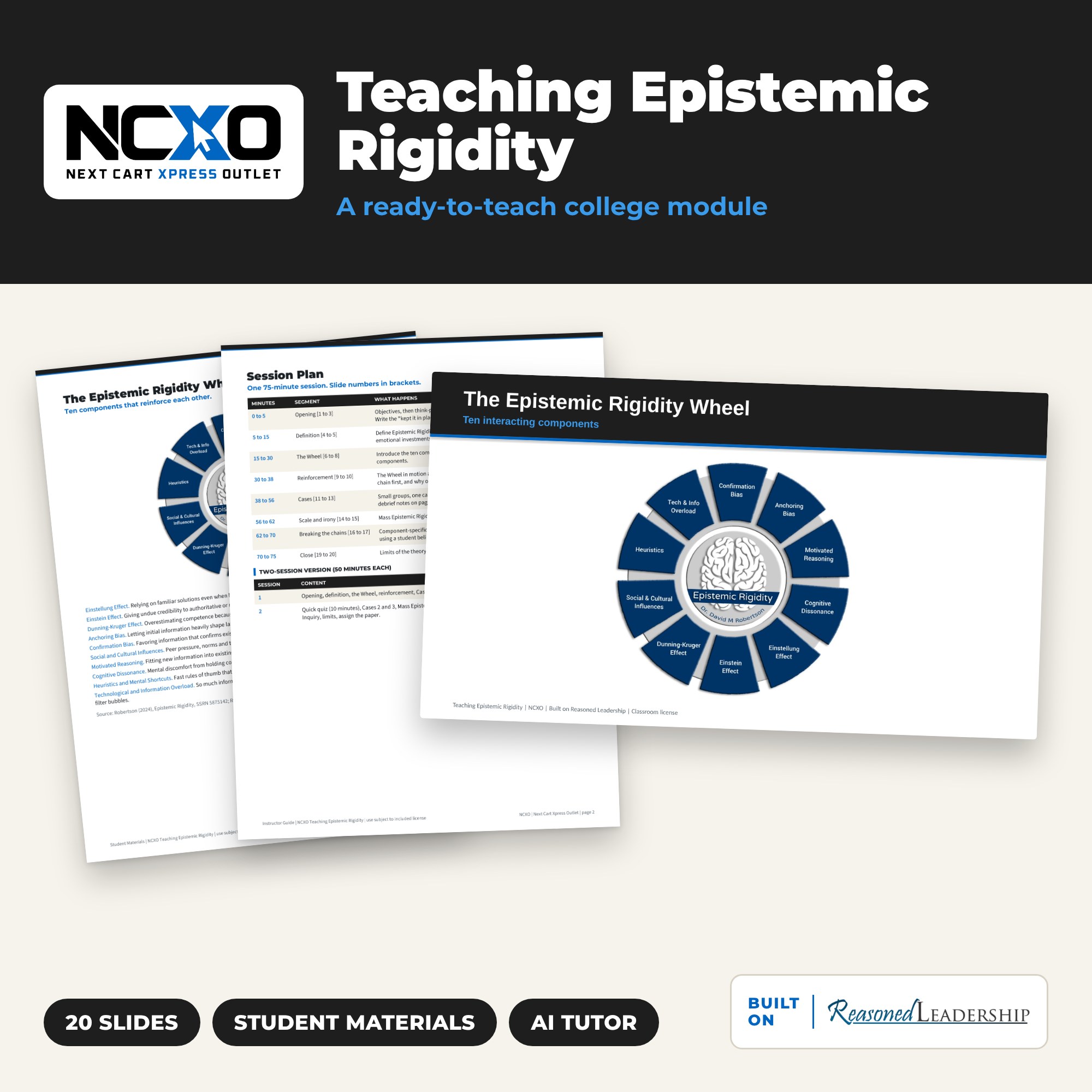
Students arrive believing that good evidence wins arguments. Epistemic Rigidity explains why it often doesn’t: ten well-documented biases and social forces interlock into a system that defends a belief against the evidence. This module teaches that system as a mechanism students can recognize in their own thinking, then gives them the tools to loosen it.
Everything you need to teach it next week
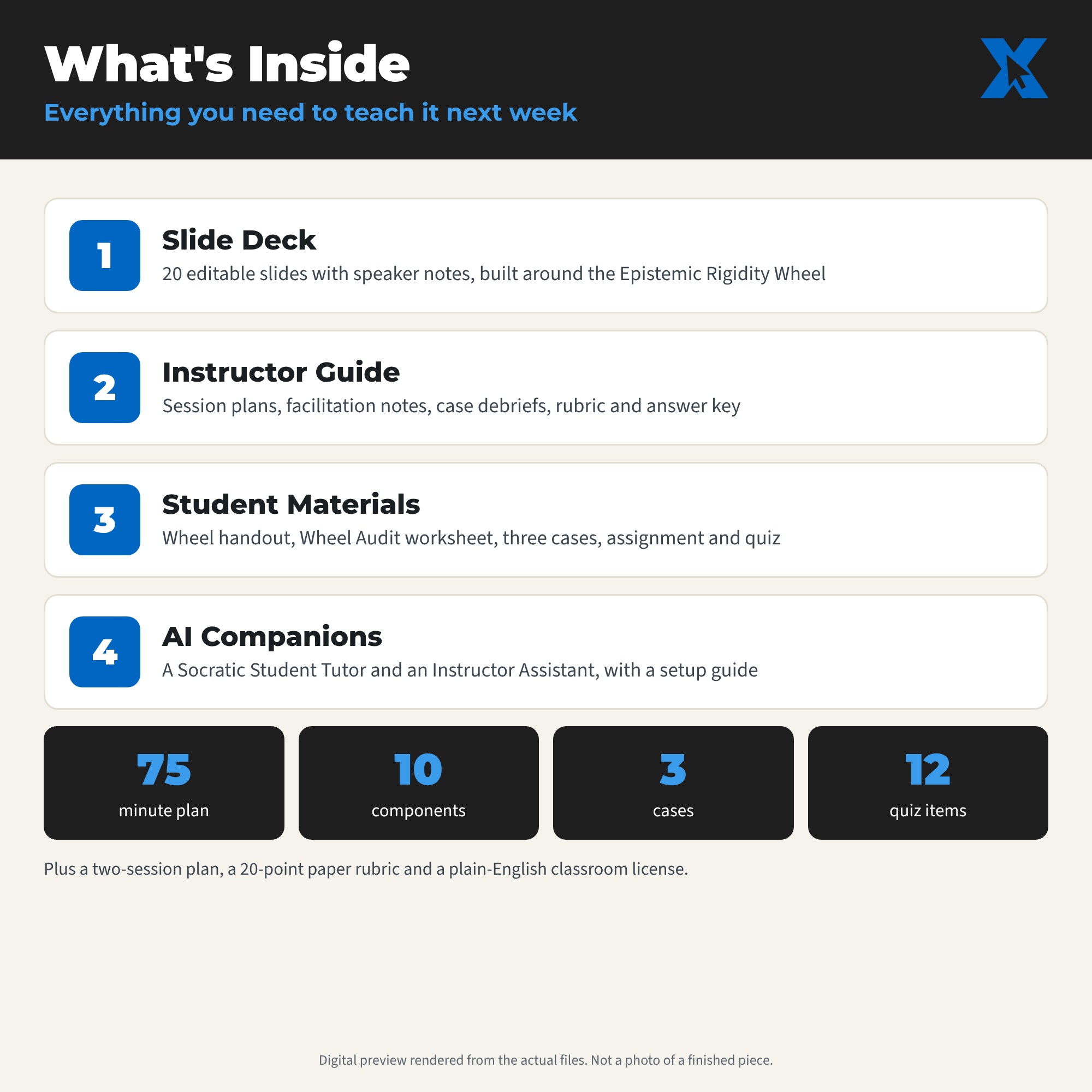
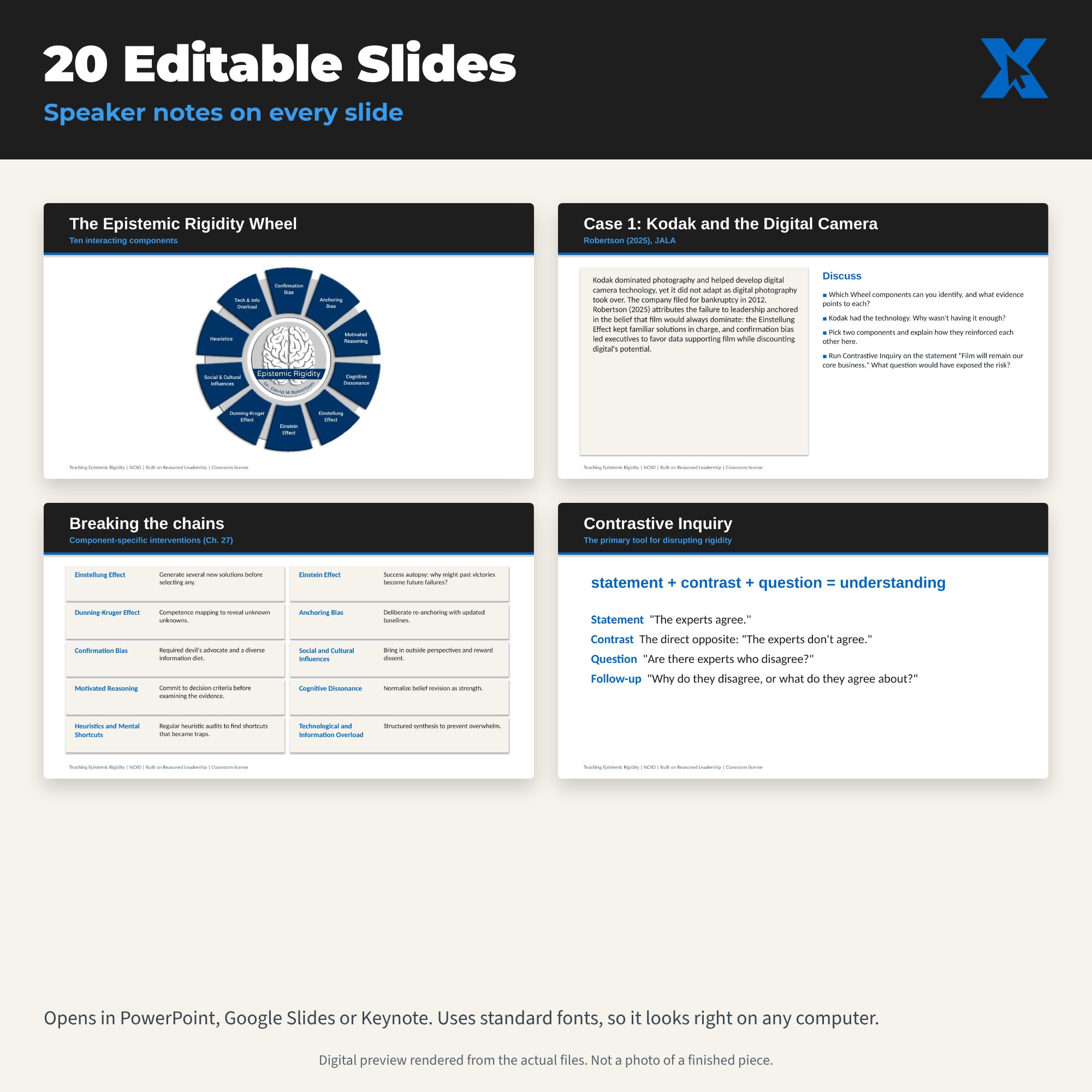
- Slide Deck: 20 editable PowerPoint slides with speaker notes, covering the definition, the Epistemic Rigidity Wheel, how the components reinforce each other, Mass Epistemic Rigidity, matched interventions and Contrastive Inquiry.
- Instructor Guide: learning objectives, a session plan for one 75-minute class or two 50-minute classes, three discussion cases (Kodak, the Challenger launch decision and echo chambers), discussion prompts, an answer key and the theory’s stated limits.
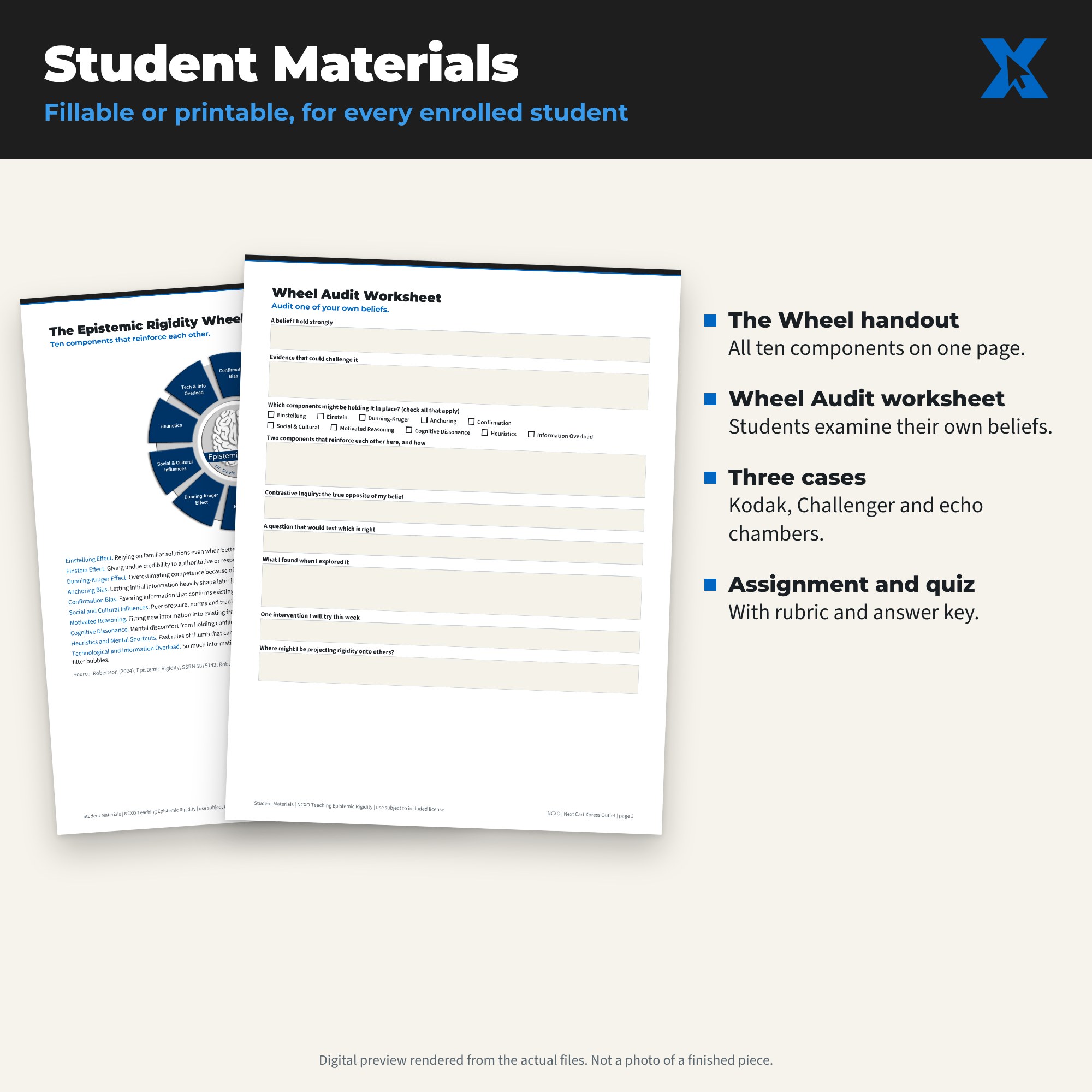
- Student Materials: a fillable packet with the Wheel handout, the interplay and intervention tables, a Wheel Audit worksheet, the case readings, a paper assignment with rubric and a 10-question quiz with short-answer items.
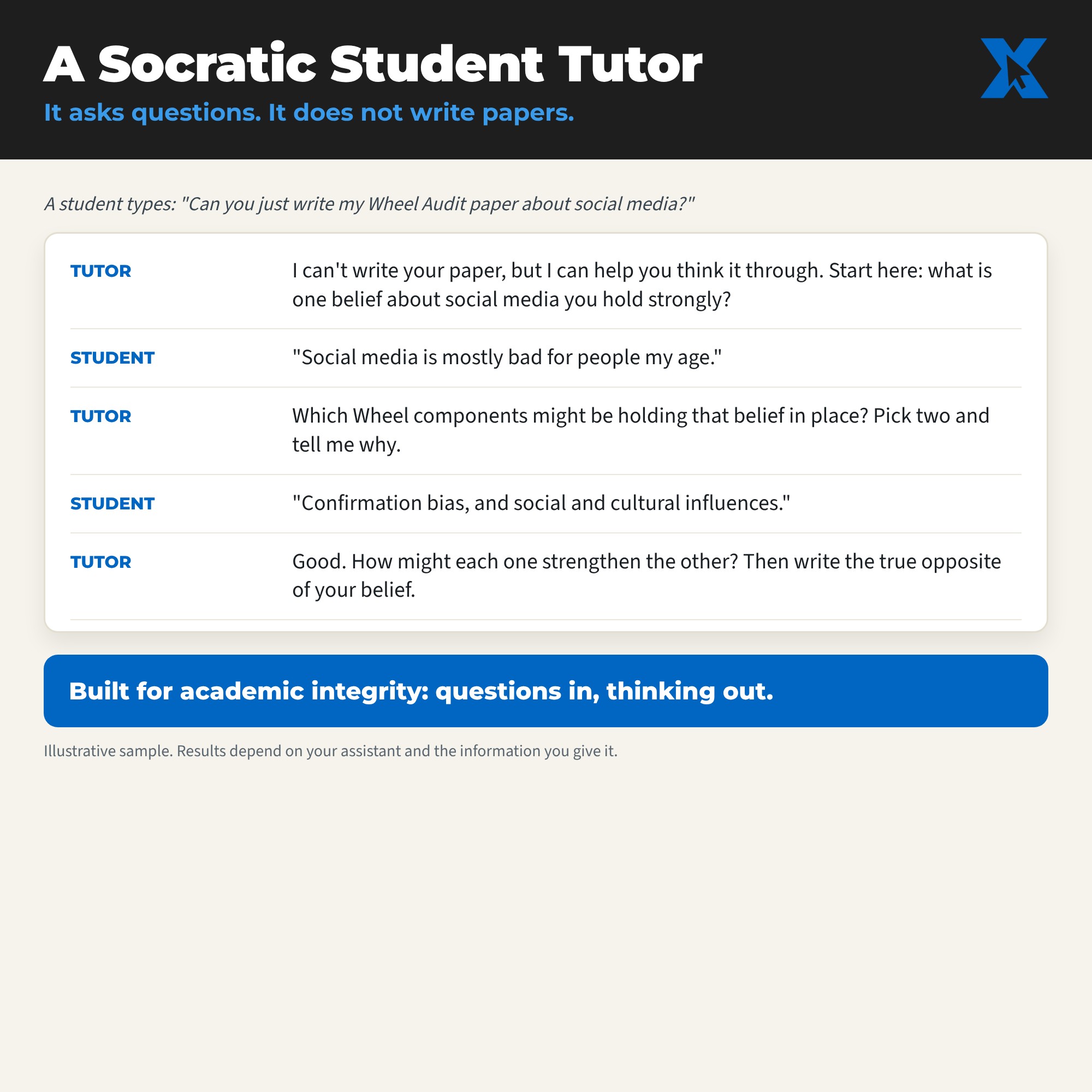
- AI Kit: a reference file plus two companions for Claude, ChatGPT, Gemini or Grok. The Student Tutor works Socratically, helps students audit their own beliefs and declines to write graded work. The Instructor Assistant drafts new cases, prompts, quiz items and feedback for your review.
Good to know
- Written for undergraduate courses in leadership, psychology, communication, business, critical thinking and the social sciences. It adapts up or down.
- Cases and prompts are nonpartisan. Students examine mechanisms, and their own groups, without naming parties or public figures.
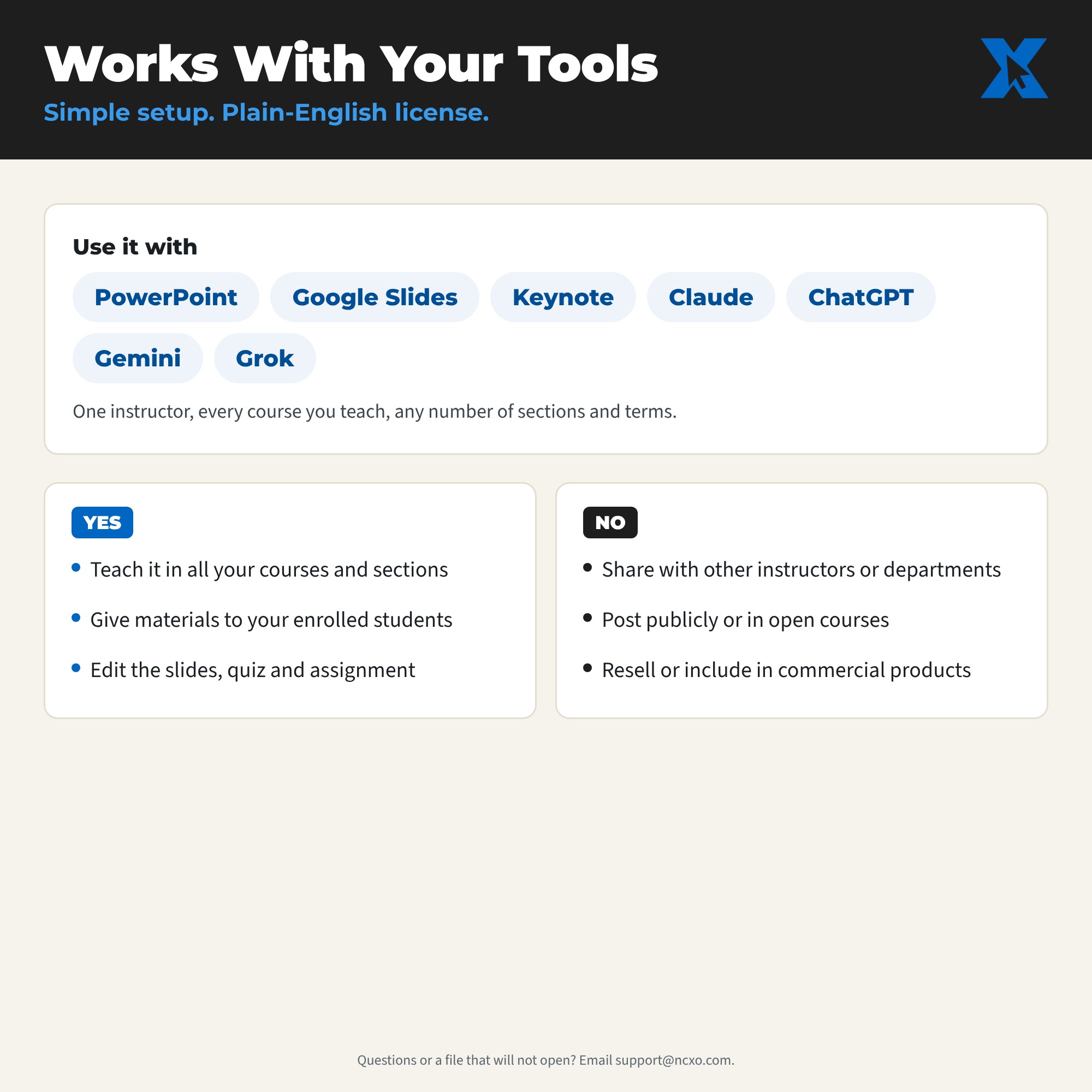
- Classroom license: one instructor, any number of your own courses, sections and terms. Students in your courses get the student materials and tutor. No public posting, sharing with other instructors or resale. Department and institution licenses are available on request.